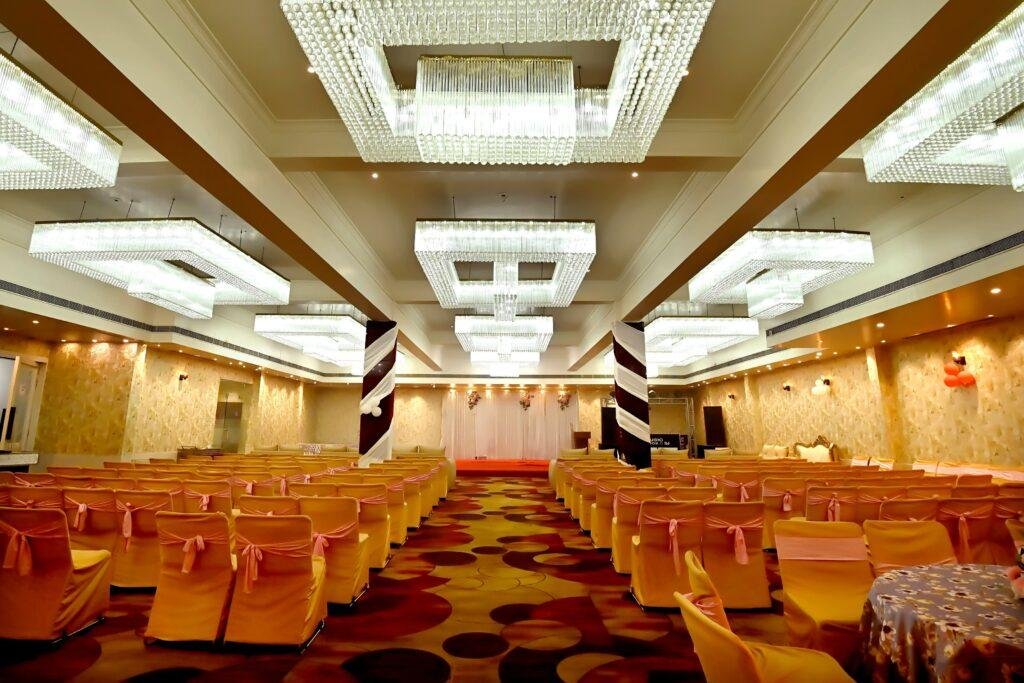
“Ever watched a high-profile convention fall apart because the catering service dropped the ball? Yeah, it’s not just about soggy sandwiches—it could void your insurance.”
Convention insurance exists to protect event organizers from unforeseen mishaps. But what happens when catering service failures become more than just an embarrassing oversight? If these failures aren’t handled properly, they can create cascading issues that jeopardize your coverage—or worse, your reputation. In this article, we’ll dive into why catering snafus are a big deal for convention planners, how they tie into insurance claims, and what you can do to safeguard yourself. Buckle up: You’ll learn about common pitfalls, actionable strategies, and real-world examples of catering catastrophes turned success stories.
Table of Contents
- Key Takeaways
- Why Catering Failures Are a Big Deal
- How to Prevent Catering Disasters at Your Convention
- Top Tips to Ensure Smooth Catering Operations
- Real-Life Case Study: How One Planner Saved Their Event
- FAQs: Everything You Need to Know About Catering Service Failures and Insurance
Key Takeaways
- Catering service failures can lead to denied convention insurance claims if not addressed proactively.
- Clear vendor contracts, contingency plans, and emergency food reserves are critical to mitigate risks.
- Avoid cheap catering options without verifying their track record—this is almost always a recipe for disaster.
Why Catering Failures Are a Big Deal for Convention Planners
If you’ve ever attended a convention where attendees grumbled over cold coffee or disappeared altogether due to hunger pangs, you know firsthand how catering impacts event satisfaction. But did you know it also plays a role in insurance liability?
Here’s the painful truth: Many convention policies include clauses related to attendee experience. If poor food quality leads to mass complaints—or even health code violations—you risk triggering exclusions in your policy. And let me tell you, nothing screams “miserable planner” like filing a claim only to have it rejected because someone forgot to refrigerate the shrimp platters.
A Confessional Fail:
I once booked a caterer who swore up and down they had experience with gluten-free meals. Fast forward to day one of the convention: A guest ended up hospitalized after eating cross-contaminated food. Not only did I spend weeks dealing with insurance adjusters, but my reputation took a hit too. Lesson learned? Always trust but verify.
Optimist Me:
“Let’s turn this around next year by working smarter!”
Grumpy Me:
“Ugh, but first, pass me that chocolate croissant before I cry.”
How to Prevent Catering Disasters at Your Convention
To avoid becoming the latest cautionary tale, follow these steps:
Step 1: Choose the Right Vendor
- Vet potential caterers thoroughly. Ask for references, read reviews, and request sample menus.
- Ensure they comply with local health regulations and carry liability insurance themselves.
Step 2: Draft a Bulletproof Contract
- Include penalties for missed deadlines, subpar food quality, or unmet dietary requirements.
- Document every detail, from portion sizes to setup timelines.
Step 3: Build Contingency Plans
- Have backup vendors on standby in case of emergencies.
- Prepare emergency snacks (granola bars, bottled water) as a last-resort buffer.
Top Tips to Ensure Smooth Catering Operations
- Communicate Early & Often: Keep lines open between all stakeholders—the caterer, venue staff, and your team.
- Taste Test Beforehand: No amount of swagger talk replaces taste buds.
- Plan for Dietary Restrictions: Make sure vegans, celiacs, and other special-needs eaters feel seen.
Pro Tip: Skip generic buffet spreads unless absolutely necessary. Instead, opt for themed food stations that align with your convention vibe. Chef’s kiss!
Real-Life Case Study: How One Planner Saved Their Event

Meet Sarah, a seasoned planner whose convention nearly spiraled out of control when her primary caterer bailed two days beforehand. With no time to panic, she activated Plan B—a pre-approved secondary vendor—and implemented her stash of emergency appetizers. The result? Zero complaints, rave reviews, and fully intact insurance coverage.
Sarah’s secret weapon? A detailed checklist combined with strong relationships built long before crunch time. Moral of the story? Preparation trumps panic every single time.
FAQs: Everything You Need to Know About Catering Service Failures and Insurance
Q: Will my convention insurance cover a bad caterer?
Nope. Policies typically exclude negligence on your part, including hiring unreliable vendors. However, filing a separate claim against YOUR caterer’s business insurance may be possible.
Q: What counts as a “failure” worth reporting?
Anything leading to financial loss, attendee harm, or significant reputational damage qualifies—for example, widespread illness, canceled events due to missing meals, or breach of contract disputes.
Q: Do I need to hire an expert consultant?
While optional, consultants specializing in large-scale events often spot red flags early. Consider them your peace-of-mind lifeline.
Conclusion
Catering service failures don’t just annoy guests—they threaten your entire convention operation, including its insurance protection. By understanding the stakes, adopting proactive measures, and learning from others’ wins (and fails), you position yourself as the ultimate problem solver.
Like hitting replay on Pikachu’s catchy theme song, some things bear repeating: Be prepared, communicate clearly, and document everything meticulously.
Until next time, may your hors d’oeuvres always be warm,
Your Friendly Finance Writer
(P.S.—Here’s a bonus haiku:
Shrimp trays gone rogue,
Insurance claims go southward;
Prep now, save later.)