Ever attended a convention only to realize you’re one coffee spill away from a lawsuit? Yeah, it happens more often than you’d think. Liability communication plans might sound like corporate jargon, but they’re the secret sauce to keeping your convention insurance intact—and your wallet happy. In this guide, we’ll break down what liability communication plans are, why they matter for convention insurance, and how to craft one that works like a charm. Spoiler alert: You’ll learn the key components of an effective plan, actionable steps to implement it, and insider tips to avoid common mistakes.
Table of Contents
- What Are Liability Communication Plans?
- Why They Matter for Convention Insurance
- How to Create an Effective Liability Communication Plan
- Tips for Success
- Real-World Examples
- FAQs
Key Takeaways
- Liability communication plans bridge gaps between organizers, attendees, and insurers during incidents.
- A solid plan minimizes risks and ensures smoother claims processes in convention settings.
- Clear communication protocols can save thousands in potential legal fees and damages.
What Are Liability Communication Plans?
Picture this: An attendee slips on spilled soda near the registration desk at your annual tech expo. Chaos ensues—guests whip out their phones, social media blows up, and suddenly you’re staring down a PR nightmare. Enter liability communication plans: pre-designed strategies to manage risk-related incidents effectively.
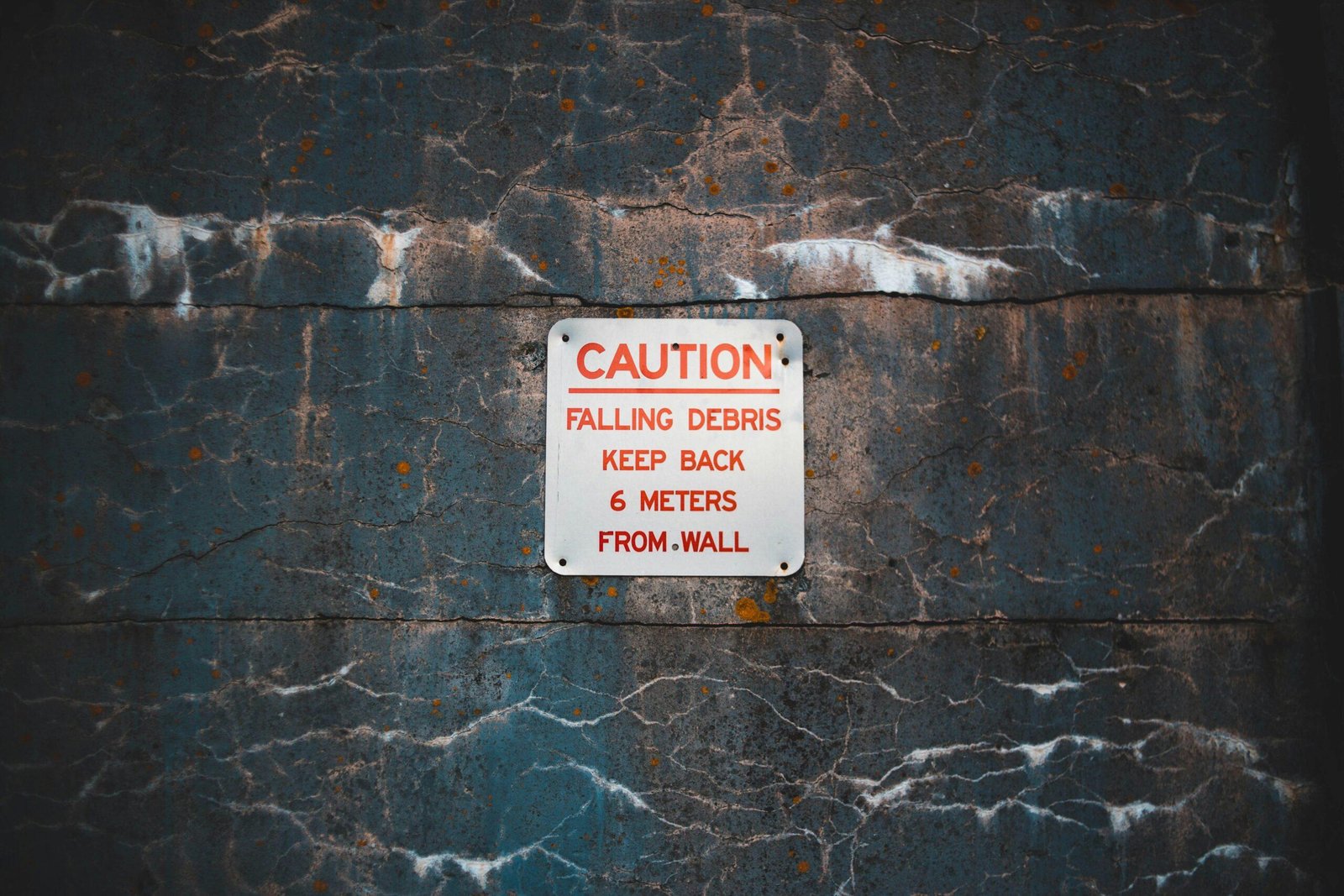
“Optimist You:* ‘We’ve got liability covered!’ Grumpy You: ‘Yeah, right—until someone trips over that rogue extension cord.'”*
Without these plans, even minor issues can spiral into costly legal battles or tarnished reputations. And trust me, no one wants to see their hard work dissolve because of poor communication.
How to Create an Effective Liability Communication Plan
Step 1: Assess Potential Risks
Before drafting anything, identify where things could go wrong. Is there heavy machinery involved? Slippery floors? Food allergies lurking? Make a list.
Step 2: Define Roles and Responsibilities
Assign specific tasks to team members. Who handles PR? Who contacts insurance providers? “Chef’s kiss” moment if everyone knows their roles ahead of time.
Step 3: Develop Clear Protocols
Create step-by-step instructions for each scenario. For example:
- Slip-and-fall incident: Photo documentation + immediate medical attention + notify insurer within 24 hours.
- Theft reports: Secure area + file police report + gather witness statements.

Step 4: Train Your Team
No amount of planning matters unless your crew understands the game plan. Host workshops, run mock drills—you name it. Sounds like nails on a chalkboard? Maybe, but better safe than sorry.
Tips for Success
- Don’t Be Too Vague: Specificity saves lives (and dollars).
- Keep It Simple, Silly: Complex language = confusion.
- Test the Waters First: Try small trials before going full-blown.
Terrible Tip Alert
Procrastinate until the day before the event to finalize your liability communication plan.
Yeah, don’t do that. We’ve seen organizers lose sleep—and money—because of last-minute scrambles.
Rant Time: The Overlooked Power of Checklists
Listen up, folks. If I had a nickel for every organizer who ignored checklists, I’d be sipping piña coladas on a beach somewhere. Seriously, a simple checklist ensures nothing slips through the cracks. Not convinced? Cool, enjoy explaining to your insurer why you didn’t follow protocol when chaos erupted.
Real-World Examples
Let’s talk about ComiCon 2023. During a cosplay contest, a stage prop accidentally hit an audience member. Thanks to their robust liability communication plan, staff immediately followed protocol—medical assistance was provided, the incident was documented, and the insurance claim was processed seamlessly. Crisis averted.
FAQs
What Makes a Good Liability Communication Plan?
Clarity, specificity, and accessibility are non-negotiable. Everyone should know exactly what to do without second-guessing.
Do All Events Need This Kind of Plan?
Technically no, but skipping it is like playing Russian roulette with your budget. Always better safe than sorry.
Can I DIY My Liability Communication Plan?
Absolutely! But consult experts if you’re unsure—you won’t regret having professional input.
Final Thoughts
In the world of conventions, liabilities lurk around every corner. But armed with a rock-solid liability communication plan, you can navigate any storm. Remember: Preparation prevents panic. Now grab your planner, channel your inner organizer superhero, and get started!
Oh, and here’s a little haiku to leave you inspired:
Crowds gather, excitement builds,
Plans shield against mishaps.
Stay safe, stay savvy.