Ever hosted a convention booth only to be hit with an unexpected lawsuit? It happens more often than you’d think. In fact, 43% of small businesses face litigation over liability issues at some point—many stemming from events like conventions and trade shows. Yikes. Whether it’s accidental property damage, an attendee injury, or a mix-up with vendor contracts, the stakes are high. And if you’re not covered? Well, let’s just say your wallet might feel like it got hit by a runaway forklift.
In this post, we’ll break down how liability protection can save you from financial ruin when navigating the wild world of convention insurance. You’ll learn:
- The types of risks that lurk in every booth setup.
- How to choose the right coverage for your needs.
- Tips to avoid common mistakes (and one “don’t-even-try-this” tip).
Table of Contents
- Key Takeaways
- The Hidden Risks of Conventions
- How Liability Protection Works
- Choosing the Right Coverage
- Common Mistakes to Avoid
- Real-Life Examples
- Frequently Asked Questions
Key Takeaways
- Liability protection shields you from costly lawsuits related to accidents, injuries, or damages during conventions.
- Not all policies are created equal; tailor yours to the specific risks of conventions.
- Avoid cutting corners on premiums—it’s cheaper than paying out-of-pocket later.
What Are the Hidden Risks of Conventions?
Let me tell you about my confessional fail: At my first convention, I thought securing the basics was enough. Booth set up? Check. Marketing materials? Oh yeah. Liability insurance? Umm… whoops. Fast forward to day two, when someone tripped over loose wiring near our display. The medical bills weren’t pretty.
Conventions are breeding grounds for potential mishaps:
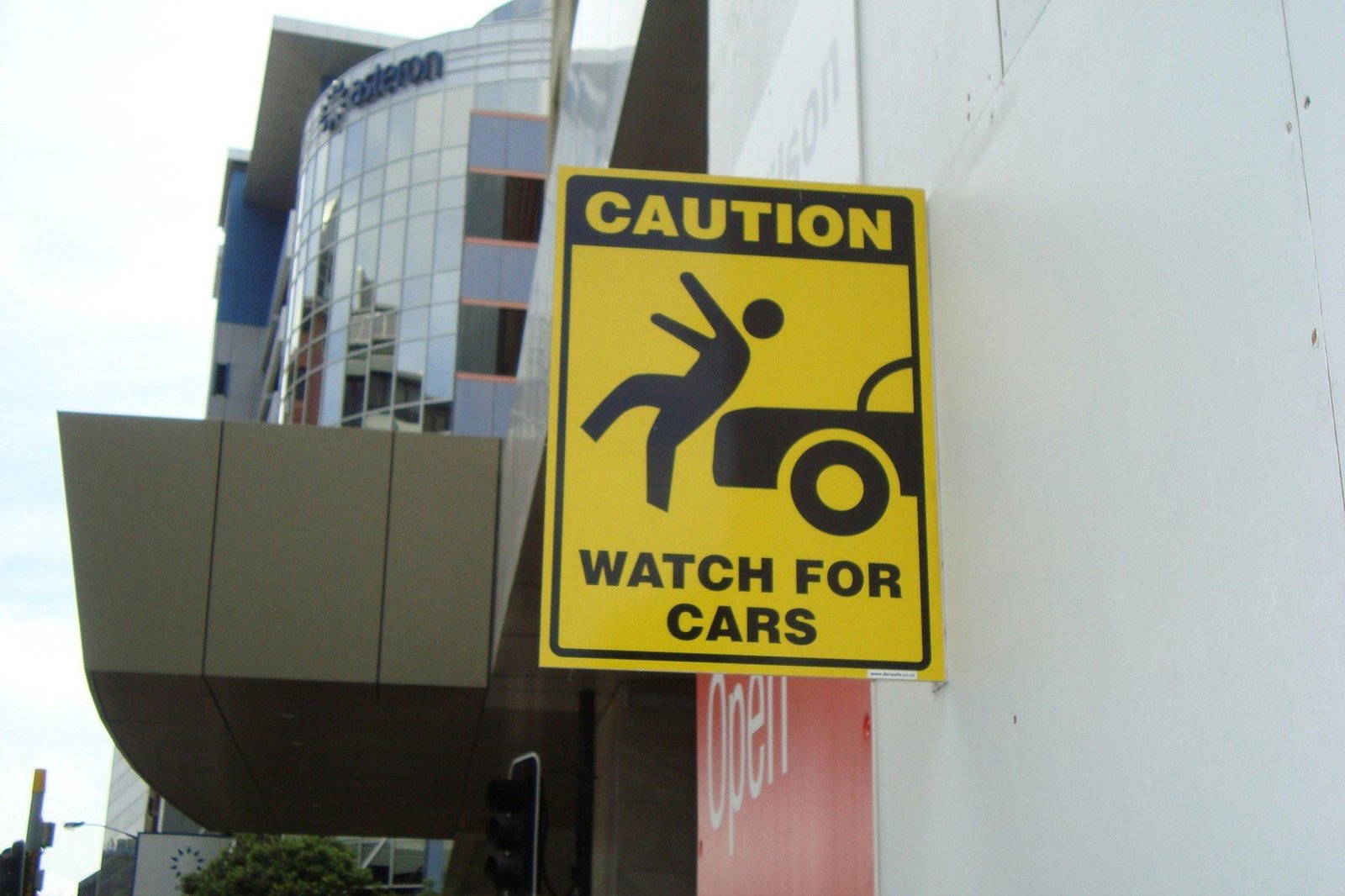
- Slip-and-fall accidents caused by crowded aisles or spills.
- Property damage from faulty equipment or misplaced gear.
- Vendor disputes over contracts or service failures.
These incidents sound minor until they happen to you. Like hearing nails on a chalkboard—or worse—the whirring of unpaid legal fees eating into your budget.
How Does Liability Protection Work?
“Optimist You:” *‘So liability protection solves everything?’*
“Grumpy Me:” *‘It helps—but only if you get the right kind.’”
Here’s how it works:
- General Liability: Covers third-party claims such as bodily injury or property damage.
- Professional Liability: Protects against errors in services rendered (e.g., miscommunication).
- Product Liability: Steps in if a product sold/distributed at the event causes harm.
Choosing the Right Liability Protection Plan
To find the perfect fit, follow these steps:
- Assess Your Risks: What activities will your booth involve? Demonstrations? Physical products? Interactive displays?
- Check Event Requirements: Some conventions require proof of insurance before allowing participation.
- Compare Policies: Don’t skimp here—cheaper doesn’t mean better.
| Coverage Type | Ideal For… | Cost Estimate |
|---|---|---|
| General Liability | Basic accidents & damages | $400-$1,500/year |
| Professional Liability | Service-based booths | $500-$2,000/year |
| Product Liability | Product demonstrations/sales | $600-$3,000/year |
Common Mistakes to Avoid
Now for the rant: Too many people cut costs upfront and regret it later. Skipping liability protection because “it won’t happen to me” is like refusing sunscreen—you might luck out, but why gamble?
And now for the terrible tip: Trusting verbal agreements instead of written contracts. Big nope. Always document responsibilities clearly to minimize risk.
Real-Life Examples
Consider Michelle, a small business owner who skipped liability insurance for her artisanal candle booth. A fire hazard alarm went off due to improper storage, leading to delays and lost revenue opportunities—not to mention fines. A solid liability plan would’ve mitigated much of the fallout.

Frequently Asked Questions
Do I really need liability protection for small events?
Yes. Even small gatherings carry significant risks that could lead to hefty payouts without proper coverage.
Can’t I rely on my general business insurance?
Maybe, but most general policies exclude event-specific liabilities. Double-check your terms.
Is product liability worth it for digital goods?
If attendees interact physically with anything tied to your brand, yes!
Conclusion
By now, you know that liability protection isn’t optional—it’s essential for safeguarding your finances at conventions. From assessing risks to choosing tailored plans, taking proactive measures pays dividends down the line.
Remember: No one plans for disasters, but everyone benefits from being prepared. Stay sharp out there!
Like a flip phone comeback, good planning never truly goes out of style.